
A bank reconciliation should be prepared: a when an employee is suspected of fraud b by the person who is authorized to sign checks. c whenever the bank refuses to lend the company money. d to explain any difference between the depositor’s balance pe
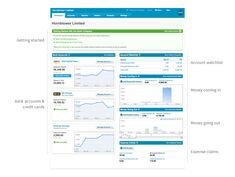
When you do a bank reconciliation, you first find the bank transactions that are responsible for your books and your bank account being out of sync. To review, bank reconciliation is the process of validating your transaction history with that of your bank. The goal is to see if there are any inconsistencies present between your balance and the bank’s balance.
The following format is typical of one used in the reconciliation process. Note that the balance per the bank statement is reconciled to the “correct” amount of cash; likewise, the balance per company records is reconciled to the “correct” amount. These entries serve to record the transactions and events which impact cash but have not been previously journalized (e.g., NSF checks, bank service charges, interest income, and so on). Many businesses prepare a reconciliation just like that illustrated. However, this approach leaves one gaping hole in the control process. In other words, the employee took out an unauthorized “loan” for a while.
At the end of the period, there are going to be differences between the balances in both the documents. To reconcile the differences in both balances, the company must prepare a bank reconciliation statement. Then, go to the company’s ending cash balance and deduct from it any bank service fees, NSF checks and penalties, and add to it any interest earned. At the end of this process, the adjusted bank balance should equal the company’s ending adjusted cash balance. The unrecorded differences may have other items as well, such as errors in the bank statement or bank book, dishonored checks, interest received, etc.
On the other hand, a small online store—one that has days when there are no new transactions at all—could reconcile on a weekly or monthly basis. Once you’ve figured out the reasons why your bank statement and your accounting records don’t match up, you need to record them. In huge companies with full-time accountants, there’s always someone checking to make sure every number checks out, and that the books match reality. In a small business, that responsibility usually falls to the owner (or a bookkeeper, if you hire one. If you don’t have a bookkeeper, check out Bench).
How To Do a Bank Reconciliation
Therefore, the expenses of the company will be misstated and go against the prudence concept of accounting. When it comes to bank transactions, two documents can confirm the bank balance of a company. This first document, or rather a ledger, is the bank book of the company.
The treatment for timing differences in a bank reconciliation is to use them as a reconciling item. There is no accounting treatment for these differences as they will clear with time. The reconciliation statement allows the accountant to catch these errors each month.

A bank reconciliation should be prepared periodically because d) any differences between the company’s records and the bank’s records should be… Deposits in transit are amounts that are received and recorded by the business but are not yet recorded by the bank. The business needs to identify the reasons for the discrepancy and reconcile the differences.
Beginner’s Guide: Step-by-Step Instructions for Creating a Website
Since the company does not receive the bank statement until the end of the month, it cannot predict these charges or record them. Unrecorded differences are amounts that are present in the bank statement but not present in the bank book are known as unrecorded differences. A bank reconciliation statement is a document that compares the bank book balance of a company with its bank statement balance. If there are any differences between the two, the company, through bank reconciliation, can identify those differences. Then, according to the type of difference, the company can adjust it in its bank book or make it a part of its bank reconciliation statement. Companies perform bank reconciliation at regular intervals, usually at the end of each month.
Whether this is a smart decision depends on the volume of transactions and your level of patience. If you use the accrual system of accounting, you might “debit” your cash account when you finish a project and the client says “the cheque is going in the mail today, I promise! Then when you do your bank reconciliation a month later, you realize that cheque never came, and the money isn’t in your books (even though your bookkeeping shows you got paid). Reconciling your bank statements lets you see the relationship between when money enters your business and when it enters your bank account, and plan how you collect and spend money accordingly. If you do your bookkeeping yourself, you should be prepared to reconcile your bank statements at regular intervals (more on that below).
The first step in preparing bank reconciliation is to obtain both the bank statement and bank book balances of a company and compare them. If these balances are different, then the company must prepare a bank reconciliation statement. If the balances match, which is rare but still possible, a bank reconciliation statement is not needed. The main purpose of bank reconciliation is that it plays a vital role in the internal controls of a company. Without bank reconciliation, the bank book balance and bank statement balance of the company will never match. Similarly, without bank reconciliation, the company cannot identify any expenses that the bank may have charged to the bank account.
That is because they receive bank statements at the end of each month. Some small-sized companies prepare bank reconciliations once every 2-3 months. While preparing bank reconciliations regularly is better than preparing it after a couple of months, if the number of bank transactions is low, companies may choose to perform it later. Bank reconciliation is a part of the internal control process of a company. As mentioned above, two different documents show the bank balance of a company at the end of a specific period. The company prepares the bank book while its bank prepares the bank statements.
- Our system enables easy bank imports with the automated matching of ledger transactions to bank feeds.
- The following pages include a detailed illustration of the bank reconciliation process.
- The final entry is to record the bank service charges that are deducted by the bank but have not been recorded on the records.
- As mentioned above, timing differences do not require any adjustments in the bank book balance.
Understanding why bank reconciliation is important is the ultimate thing to achieve success in your business. Getting the process wrong would leave you with an inaccurate view of how much money is in your bank account, which could have costly consequences for your small business. Experts also suggest that a bank reconciliation should be prepared periodically because it can save you time and relieve stress.
How Often Should You Do a Bank Reconciliation?
However, you typically only have a limited period, such as 30 days from the statement date, to catch and request correction of errors. This practical article illustrates the key points of why a bank reconciliation is important for both business and personal reasons. The second entry required is to adjust the books for the check that was returned from Berson. We’re going to look at what bank statement reconciliation is, how it works, when you need to do it, and the best way to manage the task. B) the company’s records and the bank’s records are in agreement.
- Since the company has already obtained the balance from both the documents, the first step for bank reconciliation is complete.
- Preparing a BRS frequently is necessary if you suspect any fraudulent activities happening.
- For example, a company pays its supplier through a check, but the supplier does not take it to the bank before the bank prepares the bank statement.
- Before the reconciliation process, business should ensure that they have recorded all transactions up to the end of your bank statement.
When you “reconcile” your bank statement or bank records, you compare it with your bookkeeping records for the same period, and pinpoint every discrepancy. Then, you make a record of those discrepancies, so you or your accountant can be certain there’s no money that has gone “missing” from your business. Before the reconciliation process, business should ensure that they have recorded all transactions up to the end of your bank statement. Businesses that use online banking service can download the bank statements for the regular reconciliation process rather than having to manually enter the information.
These differences generally comprise two types of items, outstanding checks, and deposits in transits, also known as outstanding lodgments. An outstanding check is a check that a company pays another party, but the party does not present it to the bank. For example, a company pays its supplier through a check, but the supplier does not take it to the bank before the bank prepares the bank statement. A company prepares a bank reconciliation statement to compare the balance in its accounting records with its bank account balance.
How Accounting Automation Can Help Accountants and SMBs
Get a close-up view of how accounting on Salesforce can eliminate the need for costly integrations—and silos of mismatched information—by sharing the same database as your CRM. Textbook content produced by OpenStax is licensed under a Creative Commons Attribution-NonCommercial-ShareAlike License . In the case of Feeter, the first entry will record the The Ultimate Checklist For Year-End Accounting collection of the note, as well as the interest collected. They may not be fun, but when you do them on a regular basis you protect yourself from all kinds of pitfalls, like overdrawing money and becoming a victim of fraud. These features, along with our platform’s flexibility, mold to your accounting lifecycle for a truly streamlined reconciliation.
A bank reconciliation should be prepared regularly to mitigate the risk of duplicate transactions in your ledger book. Bank reconciliation is a part of the internal controls of a company. Bank reconciliation plays a crucial role in the internal control process of a company and helps in detecting fraud and error in the process. When preparing a bank reconciliation, the company must look for two types of differences, timing and unrecorded differences. Preparing bank reconciliation requires companies to follow a 5-step process. For most companies, bank reconciliation should be prepared once a month.
Adjusting Discrepancies Between Books and Bank
The reconciliation is needed to identify errors, irregularities, and adjustments for the Cash account. Having an independent person prepare the reconciliation helps establish separation of duties and deters fraud by requiring collusion for unauthorized actions. The next step in preparing a bank reconciliation statement is to identify the reason for the differences. Usually, there are two categories of differences that may cause differences between the two balances. As mentioned above, these include timing differences and unrecorded differences.
The reconciliation would not reveal this unauthorized activity because the ending balances are correct and in agreement. If a problem exists, the totals on the bank statement will exceed the totals per the company records for both receipts and disbursements. It is highly recommended where the volume of transactions and amount of money involved is very large.
The bank is an internally prepared document that shows the company’s side of transactions. The company carries over the balance from its bank book to its trail balance and, subsequently, its financial statements. Therefore, the bank book is an important document in the accounting process of a company. The cash account balance in an entity’s financial records may also require adjusting in some specific circumstances, if you find discrepancies with the bank statement. In these cases, journal entries record any adjustment to the book’s balance. After fee and interest adjustments are made, the book balance should equal the ending balance of the bank account.